

The Nature of Casino Games
The essence of casino games is intricately tied to chance and randomness. When players walk into a casino, they encounter a wide variety of games, each designed with specific odds and probabilities that favor the house. Unlike many competitive sports or skill-based activities, games such as slots, roulette, and even blackjack heavily rely on luck. Every spin of the wheel or pull of the lever is an independent event, one that is unaffected by prior outcomes. Many players appreciate the thrill of the game, which can be enhanced by options like ontario online casino fast withdrawal that provide quicker access to winnings. This randomness not only keeps players engaged but also underscores the reality that skill alone is often insufficient for consistent wins.
In addition to the structure of the games themselves, the house edge plays a crucial role in determining outcomes. The house edge represents the mathematical advantage that the casino maintains over players, ensuring that, in the long run, the casino will always profit. For instance, in games like roulette, the presence of a zero or double zero drastically shifts the probabilities in favor of the house. Players might employ strategies or systems, but these often fall short of overcoming the house advantage when luck is considered. A solid understanding of the nature of these games helps clarify the significant impact of luck.
Moreover, the psychological aspect of gambling cannot be overlooked. Players often attribute their wins or losses to skill or strategy, creating a false sense of control over unpredictable outcomes. However, even experienced gamblers recognize that no amount of skill can alter the fundamental randomness of a game’s outcome. This psychological interplay further emphasizes the dominance of luck over skill, as players navigate the unpredictable landscape of casino gaming, often leading to a cycle of hope and disappointment.
The Role of Randomness
Randomness is a defining feature of casinos that makes the games appealing to millions. The thrill of not knowing whether one will win or lose can lead to an adrenaline rush that is hard to replicate in skill-based environments. For instance, the outcome of a slot machine is entirely random, governed by a random number generator that ensures fairness and unpredictability. This element of surprise is what keeps players returning, hoping to catch that elusive jackpot. Thus, the pivotal role of randomness cannot be overstated when discussing why luck often trumps skill.
Statistical analyses consistently demonstrate that most casino games favor luck over skill. In poker, for example, while skill is significant, luck is always present in the distribution of cards. A skilled player can make more informed decisions, yet they cannot control the hand they are dealt. This intertwining of skill and luck means that, over a short timeframe, even novice players can emerge victorious through sheer fortune, highlighting the randomness that permeates the gaming experience. The randomness of card distribution can lead to unexpected outcomes, making luck an undeniable factor.

Furthermore, games like baccarat emphasize luck perhaps more than any other casino game due to their straightforward nature. Players simply bet on which of two hands will win, and the outcome is determined purely by chance. In such games, even the most skilled strategists find their expertise rendered moot, as every game can pivot on a single lucky draw. This underscores a crucial point: in many situations, luck plays a more decisive role than skill, affecting outcomes in unpredictable ways and offering a compelling argument for the dominance of chance in casino gaming.
The Impact of Luck on Player Experience
Luck profoundly shapes the player experience in casinos, influencing not only outcomes but also the overall enjoyment of gaming. Players often seek the thrill of an unexpected win, and it’s the element of chance that fosters a sense of excitement. Whether it’s the joyous moment of hitting a winning combination on a slot machine or the nail-biting anticipation of a roulette ball landing on their number, luck creates emotional highs that skill cannot replicate. This emotional connection is essential for building loyalty and repeat visits to casinos, as the excitement of potential winnings keeps players coming back.
Additionally, the social aspect of gambling is intertwined with luck, as players often share stories of their lucky breaks or near-misses. These narratives can amplify the communal experience of gaming, drawing people together in celebration of shared fortune. Eye-catching jackpots and lucky streaks become legendary, contributing to the collective mythos of the casino environment. This cultural significance of luck enhances not only individual experiences but also the overall atmosphere of casinos, making them vibrant hubs of excitement and camaraderie.
It is worth noting that while skill can enhance the chances of winning in certain games, the unpredictable nature of luck will always be a significant factor. Players may utilize strategies to mitigate their losses or maximize their gains, yet the randomness inherent in gaming environments ensures that every session carries its own weight of uncertainty. Thus, for many, the blend of anticipation, excitement, and luck serves to enrich the casino experience, reinforcing the notion that luck indeed matters more than skill in the grand scheme of gaming.
The Illusion of Skill in Gambling
Many players enter casinos equipped with strategies and systems, believing that skill can give them an edge. However, even the most meticulously devised strategies often fall short of overcoming the impact of luck. For example, in blackjack, employing basic strategy might increase a player’s chances of winning slightly, but it does not eliminate the inherent risk associated with the game. The presence of luck means that even skilled players can experience significant losses in the short term, while novices may walk away winners purely by chance. This disparity highlights the unpredictable nature of gambling.
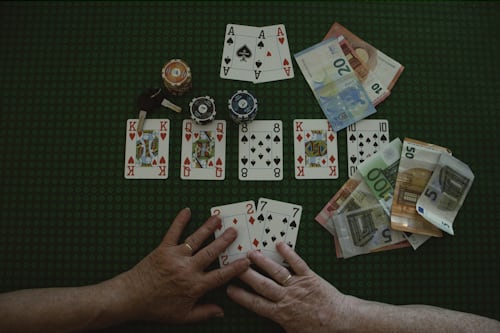
Moreover, the belief in skill can lead to cognitive biases, as players sometimes fail to recognize the importance of luck. This cognitive dissonance can result in chasing losses, where players continue to gamble in the hope of regaining what they’ve lost, often leading to even greater losses. Such psychological traps underscore how the illusion of skill can adversely affect decision-making, further emphasizing that luck plays a dominant role in most gambling scenarios. Recognizing this can help players make more informed choices and avoid pitfalls.
Ultimately, the role of skill is overshadowed by luck in many casino games. While it can enhance the player’s understanding and approach to the game, it cannot guarantee success. This reality may be disheartening for some, but it is also what makes the casino experience thrilling and unpredictable. Embracing the notion that luck is a primary driver in gaming can lead to a healthier and more enjoyable gambling experience, allowing players to appreciate the thrills without placing undue weight on their skills.
Exploring the Casino Landscape
As the world of casinos continues to evolve, so too does the understanding of luck versus skill among gamblers. With the advent of online gaming, players have greater access to a variety of games that exemplify the balance of luck and skill. Virtual casinos often offer players the chance to experience traditional games in a digital format, which maintains the essential randomness while introducing new elements that enhance engagement. This shift in access has opened the door for more players to enjoy games based on luck, broadening the appeal of casino gaming.
Moreover, the rise of live dealer games has brought a new dimension to online casinos, emphasizing interaction while still relying on chance. Gamblers can now enjoy the feeling of being in a physical casino while engaging with dealers in real-time. However, the element of luck remains constant, reminding players that regardless of the medium, outcomes are largely influenced by randomness. As players navigate this landscape, the role of luck remains a central theme, reinforcing the understanding that outcomes are often dictated by chance rather than skill.
Ultimately, understanding the relationship between luck and skill in casinos can significantly improve player experiences. By embracing the concept that luck often outweighs skill, players may approach their gaming with a more relaxed mindset. This understanding can foster a deeper appreciation for the thrill of gambling while encouraging responsible play. Casinos will continue to thrive as bastions of chance, captivating audiences with the allure of luck and the unpredictable nature of games.
